The first practical questions on Tenerife are usually asked while someone is unpacking: is the water safe to drink in Tenerife, where do we buy food, and why does the glass of tap water taste different from home? None of these needs to dominate a holiday. I treat them as small decisions that are easier when made once, calmly, before a hot beach day or a long drive turns a forgotten bottle of water into the main family drama.
Separate safety from taste before you fill every bottle
For most visitors, the important distinction is between water that meets the local drinking-water standard and water they personally enjoy drinking. Tap water is supplied for normal household use, but its mineral character and treatment taste can be more noticeable than travellers expect. In some accommodation, the pipes or a storage system can add another flavour. That does not mean every glass is a problem; it means taste and comfort are separate from a broad safety question.
I use the tap for brushing teeth and cooking without turning it into an event, then decide whether I want it as my regular drinking water after a glass at the accommodation. If the taste puts you off, a refill bottle stays empty and the answer is obvious. Buy still water from a supermarket and move on. Visitors with a medical reason to control minerals or sodium should follow their clinician's advice rather than treating general holiday commentary as personal guidance.
It is worth asking the host or hotel staff one direct question if the water looks, smells or tastes unusual: is there any current notice affecting this building? The same common-sense check applies anywhere. A clear answer from the place you are staying is more useful than a social-media thread written years ago about a different town on the island.
Use bottled water where it makes the day easier
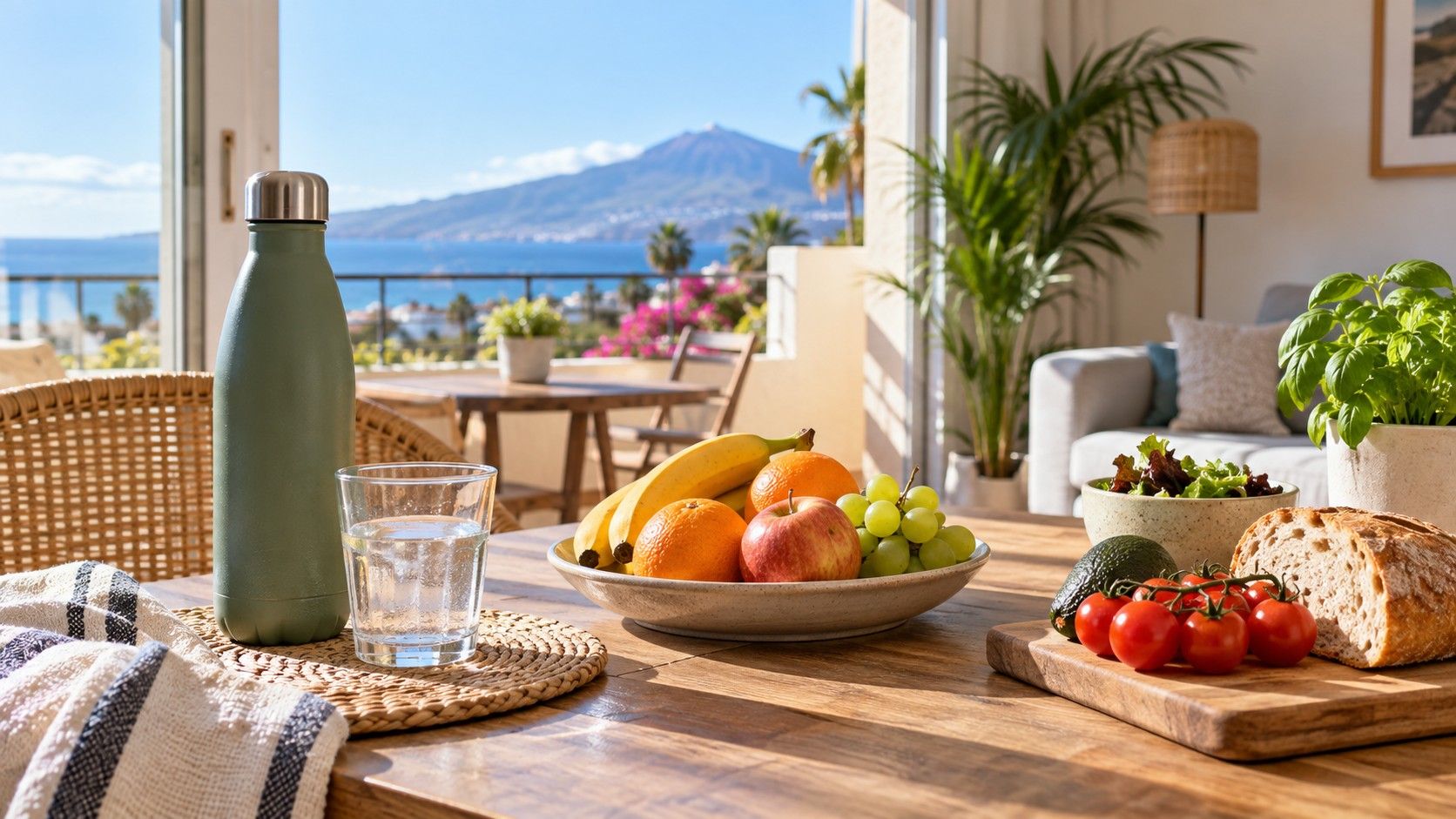
Bottled water is a convenience choice on Tenerife, not a holiday ritual you need to overthink. I buy enough for the room and the next day, keep a small bottle within reach, and refill a reusable bottle where I am comfortable with the taste. On a beach day, the key is quantity and timing. A bottle left in a hot car is an unpleasant surprise; water packed with sunscreen, hats and a snack is actually likely to be used.
Supermarkets make this simple once you are settled. There is no need to carry a week's supply from the airport or pay the price of the nearest tourist mini-market every time you feel thirsty. If you are staying in an apartment, buy water alongside breakfast basics on the first shopping trip. That removes one daily decision and leaves more room in the holiday brain for which beach is too windy.
| Situation | Simple water choice | Useful check |
|---|---|---|
| Hotel room or apartment | Try the tap, then use bottled water for drinking if you dislike the taste | Ask staff if there is a building-specific notice or filtration system |
| Beach or pool day | Bring more water than the first hour seems to require | Keep it out of direct sun and make drinking part of snack breaks |
| Long mountain drive | Pack bottles before leaving the coast | Do not assume a remote stop will have a shop open when you need it |
Restaurants are a separate setting. If you want tap water, ask plainly and accept that the service style may differ from the one you know at home. If you order bottled water, check whether you want still or sparkling before it arrives. These are tiny interactions, but they prevent the awkward point where everyone is thirsty and nobody has said what they meant.
Understand the drinking-age baseline without making it a holiday challenge
The legal drinking-age baseline in Spain is 18. That answers the question how old to drink in Tenerife for ordinary visitors, but it is not a substitute for parental judgement, venue rules or a sensible evening. A holiday setting can make people behave as if every meal needs a large round of drinks. That is usually the quickest way to make the next morning, a sunbed and a mountain road feel less enjoyable.
For families, I would keep the message uncomplicated: adults order for themselves, teenagers do not become an argument with restaurant staff, and everyone drinks water as well as anything else. Establishments can refuse service or apply their own rules. Carrying identification is sensible for young-looking adults, especially where the evening starts late and a relaxed dinner shifts toward bars.
Alcohol and heat are a poor pairing when the plan includes swimming, driving or a long walk back to accommodation. The problem is usually not some exotic Tenerife rule. It is the ordinary combination of sun, dehydration and unfamiliar pacing. I save the more leisurely drink for the point where the keys are away, the sea is behind us and nobody is responsible for navigating a dark road.
Order food with normal travel caution
Tenerife food does not require a special survival strategy. Use the same judgement you would use in any busy holiday place: choose somewhere that looks cared for, notice whether food is being handled and served in a normal way, and do not let hunger push you into the first miserable option beside a crowded attraction. A busy café is not a guarantee of a great meal, but it often gives a better sense of turnover than a deserted display in the afternoon heat.
I find it useful to keep the first meal after arrival easy. An unfamiliar menu, a flight delay and hungry children are a bad moment to order ambitiously. Pick familiar basics alongside one local dish if you want to try something. For seafood, meat, salads or anything that needs careful storage, a clean-looking place and a freshly prepared meal are more important than an impressive view of the promenade.
Food hygiene is mostly about noticing the ordinary signals: handwashing before eating, keeping picnic food out of the sun, and not leaving dairy snacks in a beach bag for half the day. If you have allergies, communicate them clearly and do not assume a casual description has been understood. A translation on your phone can help, but it is still wise to ask again when a dish arrives looking different from what you expected.
Make hydration part of the route, especially off the coast
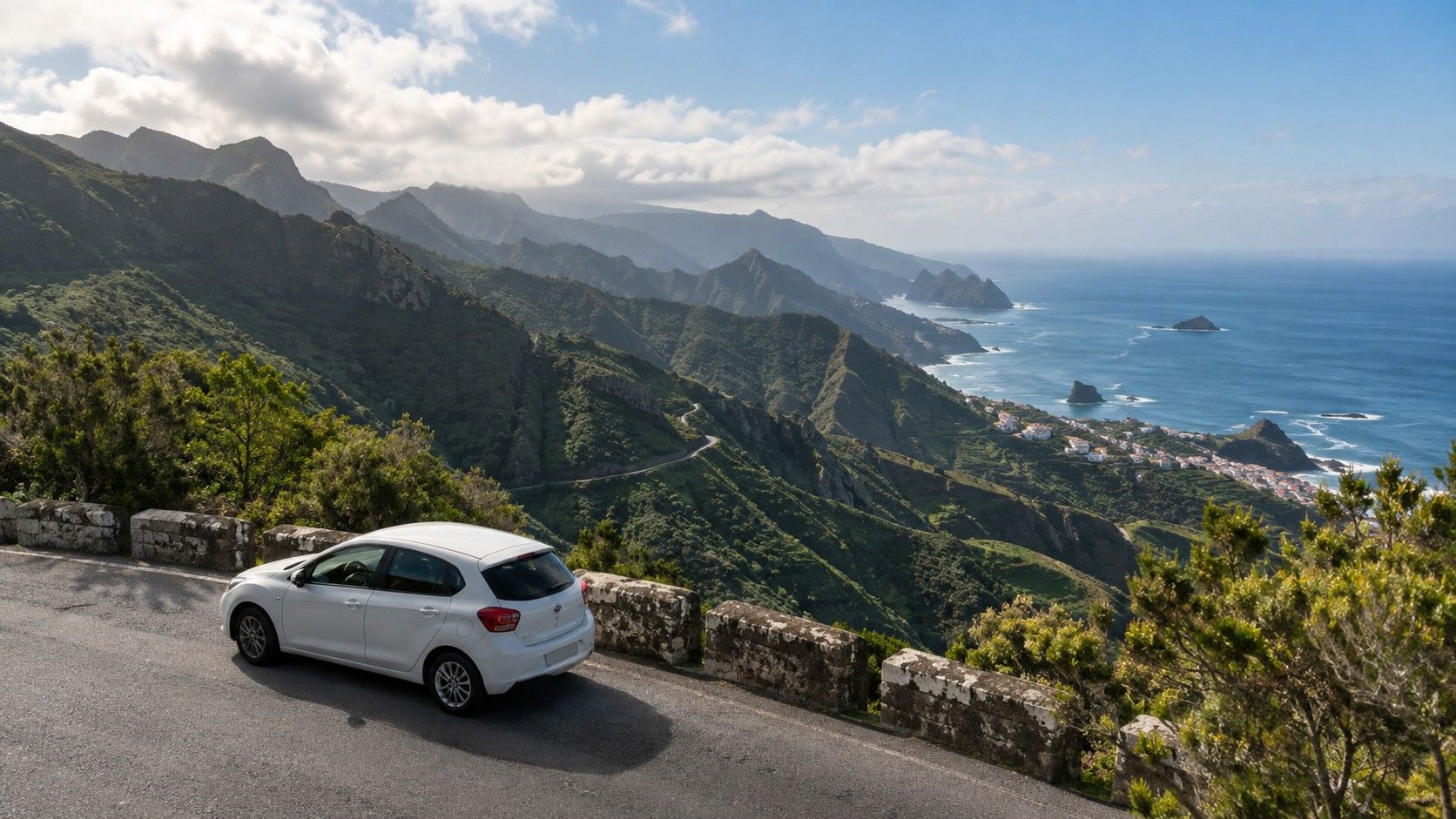
On Tenerife, a cool-looking day can still take more water than you expect. Wind hides how much you are sweating, and a Teide drive or a walk around a town with hills can turn into several hours between reliable shops. I fill the car with water before leaving a main town, then treat it as equipment rather than an optional purchase at the next viewpoint.
For children, a named bottle and regular short stops work better than asking whether they are thirsty. For adults, coffee and a beer at lunch do not replace water. This is ordinary advice, but it becomes more valuable when travel days begin early, include air conditioning and end in a restaurant where nobody remembers the last drink of water they had.
Keep the approach unglamorous and flexible. Use water that you are happy to drink, buy food before hunger sets the terms, and reserve any bigger questions for a pharmacist, doctor or your accommodation provider when they are personal. The first week then becomes a holiday rather than a series of tiny logistical debates.