Los Gigantes is easy to overfill. People arrive wanting the harbour, the cliffs, a boat, a swim, lunch, a nearby beach and perhaps a drive into the mountains before dinner. The west coast is more enjoyable when you make one main choice and let the rest stay modest. The cliffs will still be there if you do not manage six viewpoints.
Arrive before the harbour turns into a task list
The useful first decision is not which restaurant to book but how early to arrive. Los Gigantes has steep streets, limited easy parking near the water, and a harbour that gathers people in waves around departures. Coming in before the busiest middle of the day gives you a chance to park legally, walk down without rushing, and see the boats preparing rather than merely joining a queue.
If you are staying locally, walk where practical and save the car for a later nearby stop. For visitors driving from Costa Adeje or the airport side, leave enough margin for the west-coast road and the final descent. The town looks small from above, but the difference between parking on a higher street and beside the harbour is a serious slope on the way back. Comfortable shoes make more sense here than footwear chosen for a poolside photo.
Before committing to a boat outing, spend ten minutes around the harbour. Look at the water rather than at the brochure boards. Is the wind already pushing white streaks across the surface? Are people returning looking cheerful or holding their stomachs? Sea conditions can change the texture of a trip more than the name of the operator. A morning that appears calm from a hotel terrace can feel very different once you are beyond the breakwater.
Choose shore time or a boat outing as the main event
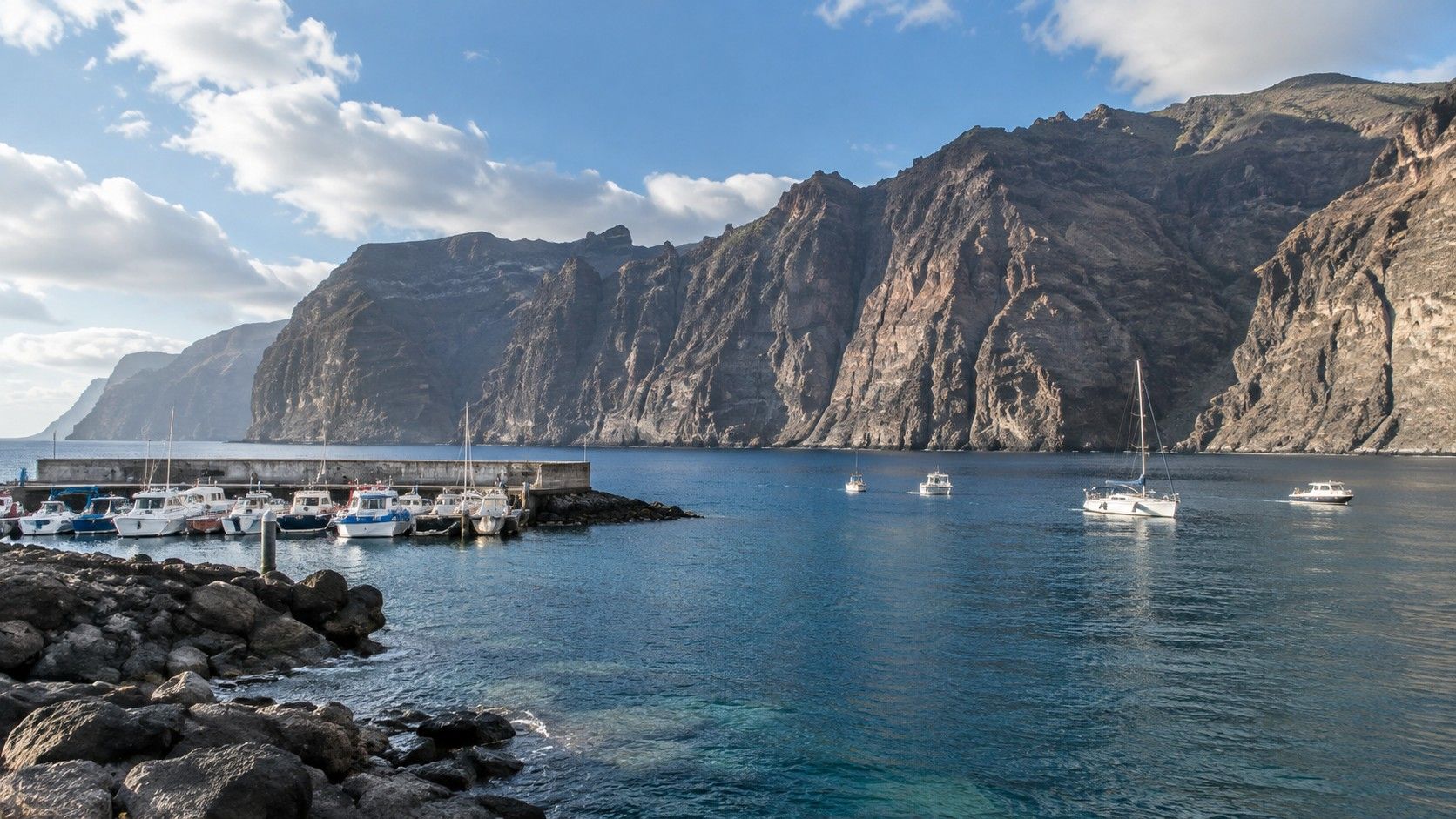
The sea is the obvious draw at Los Gigantes, but a boat trip is not compulsory. If you enjoy being on the water and the conditions are comfortable, it gives the clearest sense of the Acantilados de Los Gigantes rising from the coast. The cliffs are high enough that their scale only settles in when the town has shrunk behind you. Sit where you can see the horizon, bring a layer for the wind, and treat any wildlife sighting as a possibility rather than a promise.
People who dislike confined boats, get seasick, or have only a loose half-day should stay on shore. There is enough to do without forcing an outing because it appears in every Tenerife top 10 list. Walk around the harbour, have a slow lunch, view the headland from land, and give yourself time to notice the working side of the place: ropes drying, crews refuelling, excursion groups being counted back in. It has more character than spending two hours trying not to be ill.
| Choose this | It suits you if | Plan around it |
|---|---|---|
| Boat outing | You are comfortable at sea and conditions look settled | Keep the hours before and after it light; wind and motion can tire people out |
| Harbour and shoreline | You want a flexible day or are travelling with mixed energy levels | Arrive early, walk at an easy pace, and keep one shady lunch stop in reserve |
| Beach time in Puerto de Santiago | You prefer swimming or a slower coastal afternoon | Check the sea and flags before assuming it is a bath day |
| One inland viewpoint | You have a car and still feel fresh after the coast | Leave before late light fades and avoid adding another long mountain loop |
Do not build a schedule that needs a particular departure time to work perfectly. Ask about the day’s actual timetable at the harbour, then decide. A short wait is fine if it leaves you time for a coffee and a wander; a long wait can be a sign that shore time is the better plan. The most expensive error is not missing a boat. It is paying for one while the rest of the group is already tired and impatient.
See the cliffs from land without turning it into a hunt
From the waterfront, the cliffs are visible in fragments, often framed by masts, apartment buildings and people trying to step backward into someone else’s photograph. That is normal. Los Gigantes is a real resort town as well as a cliff viewpoint, and it does not need to look empty to be worth seeing. Walk a little beyond the most crowded terrace before deciding you have seen all there is to see.
The land view improves when you use the height of the streets rather than expecting a single cinematic platform. A higher position gives the harbour, the breakwater and the cliff face in one frame, but it also involves stairs and heat. Pause on the way up. The white buildings below make the scale of the rock easier to read than a close-up ever does. In late afternoon, the angle of the sun can give the ridges more definition, though cloud or haze may soften them completely.
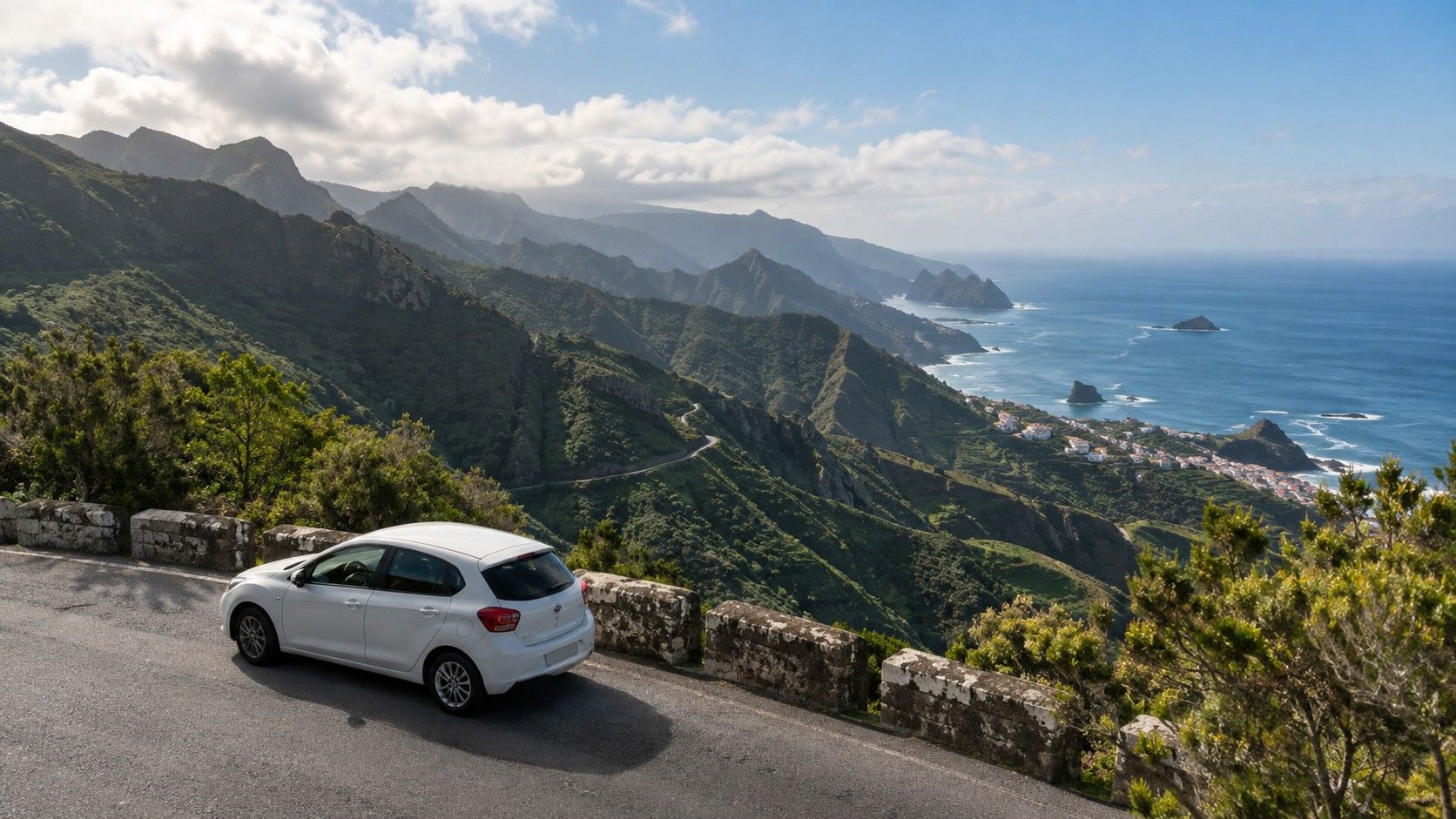
There is no need to drive every nearby road looking for a superior shot. Some viewpoints have limited room to stop, and a good landscape is not improved by an unsafe parking manoeuvre. If you have already had a clear view from the water or a comfortable overlook, take that as enough. The cliffs are more impressive when you are not arguing over whether the next bend might provide a photo with fewer people in it.
Let Puerto de Santiago handle the slower part of the afternoon
Puerto de Santiago sits close enough to be a natural continuation, yet it changes the pace immediately. The harbour activity drops away, the streets feel more residential in parts, and it is easier to organise an afternoon around food or a beach rather than departures. This is useful after a boat trip, when people often need shade, a toilet, and a decision-free hour more than another attraction.
For a swim, check conditions when you arrive rather than trusting a morning forecast. West-coast water can look inviting from above while the swell makes entry awkward. Follow local flags and warnings, and do not turn a quiet cove into a personal test of confidence. A short walk beside the water with a cold drink is still a good coastal afternoon if the sea is rough.
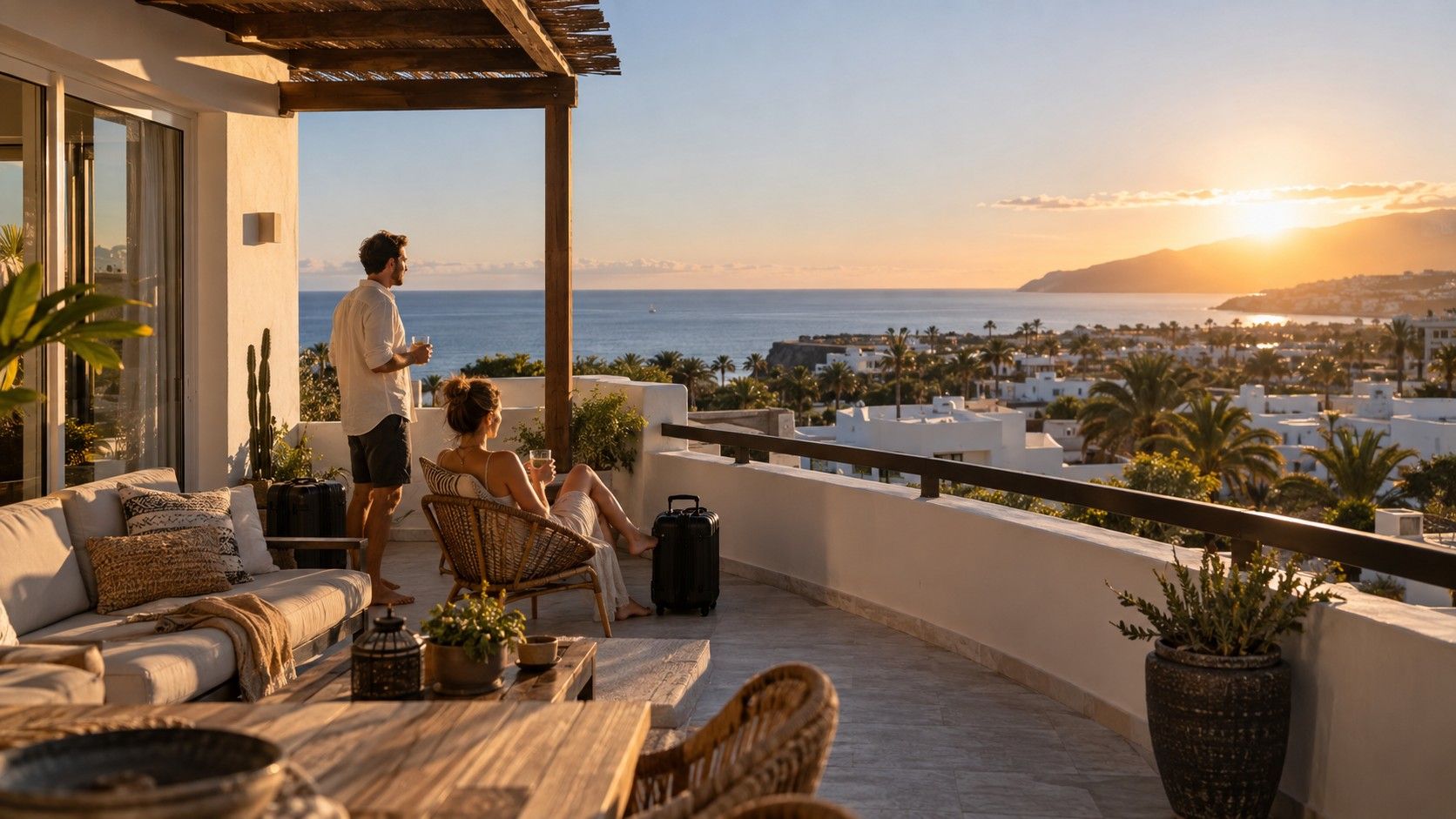
The question of hotels in Los Gigantes comes up often because people want a base with views but do not want to be trapped by a car. The practical distinction is elevation. A room higher up may have a broad outlook, but the walk to the harbour and back can be steep, especially after a full beach day. A lower location is more convenient for the waterfront but may be busier and less private. Neither is wrong; choose according to how often you expect to walk and whether sunset views matter more than easy errands.
Lunch is another place where restraint helps. A table facing the sea is pleasant, but a long meal at the hottest point of the day can leave little appetite for moving afterwards. I prefer something simple after the harbour, then a proper sit-down meal later if the group is staying nearby. It keeps the afternoon from dissolving into waiting for bills and searching for parking a second time.
Pair the coast with one nearby stop, not a west-island marathon
Los Gigantes pairs well with one contrasting place. The obvious nearby option is a short coastal section around Puerto de Santiago for a beach or a different angle on the water. If you want a mountain contrast, choose one reasonable lookout on the route back and make it the end point, not the beginning of a long circuit. The road inland becomes more demanding quickly, and it is less forgiving once late-afternoon light starts to go.
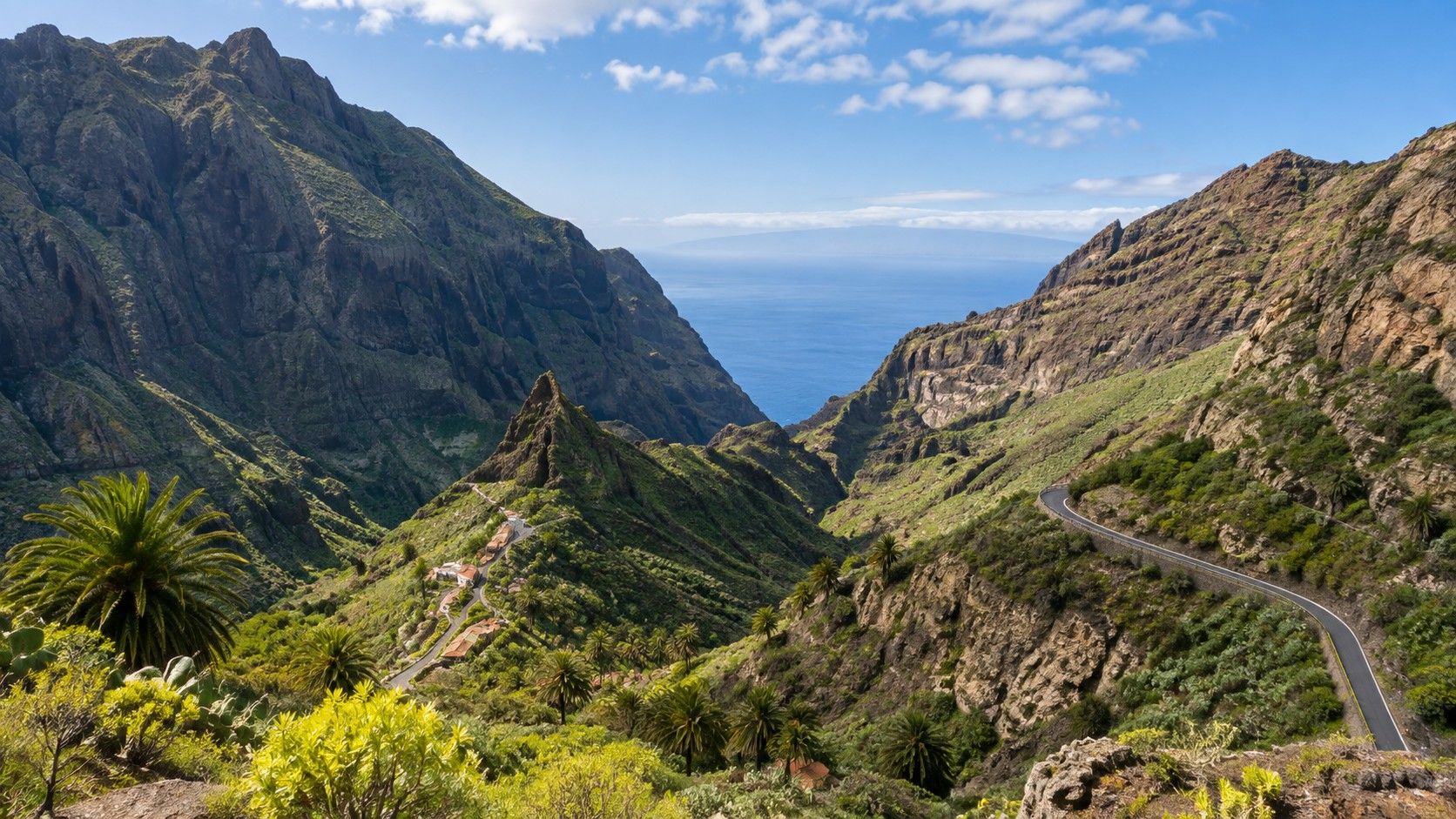
Masca is often placed beside Los Gigantes in a single day because both sit on the west side of Tenerife. It is possible, but only when one half is deliberately limited. A morning boat trip followed by an ambitious Masca drive tends to leave the driver doing the hardest part of the day when everyone else is sleepy. Reverse it, and the harbour may feel rushed. For most visitors, the better decision is to give Masca a separate day and let Los Gigantes remain a coastal one.
Garachico can also tempt people planning a grand loop. The route and timing may be fine for confident drivers who began early, but it is not a free add-on. Count the actual driving, the stops needed for children or older passengers, and the chance that weather shifts between coasts. A smaller plan is not wasted potential. It is usually the difference between arriving back relaxed and arriving back with sunburn, low fuel and nowhere convenient to stop.
Use the late light well, then stop adding things
Late afternoon can be the best time to sit above the harbour or walk a little along the coast, because the temperature softens and the rock face may take on more shape. It is also when poor planning shows up. Parking becomes less appealing, tired children become less diplomatic, and a driver who has had a long day starts making worse decisions around steep streets. Decide before then whether you are staying for dinner, heading back, or making one final short stop.
If the sea has been rough, the harbour can remain interesting even without a boat. Watch the movement of the water against the wall from a safe distance and keep clear of exposed edges. If the day has been calm, do not assume that calm will last until sunset. Conditions are local and changeable, which is why a flexible afternoon beats a schedule built around a perfect photograph.
Los Gigantes is strongest when you accept its limits. It is a good place for a boat or a slow shore day, for a view that takes time to register, and for an unhurried meal after salt air. It is a poor place to prove that you can complete every item on an island checklist. Choose the water or the town as the main event, add one nearby stop if the energy is there, and leave the rest for another day.