Tenerife looks compact until you start joining the places you saved on a map. A beach in the south, a cloud forest in Anaga, Teide National Park and a west-coast harbour can all fit inside one island, but they do not fit into one relaxed day. The road trip that works is the one that leaves room for bends, parking, weather and the simple fact that people get tired of sitting in a car.
Start with fewer regions than your map suggests
The first job is to reduce the list. Many visitors plan as if Tenerife were a city with attractions spread around a ring road. It is an island of different microclimates and changes in elevation. A route between two places can take you from resort traffic to mountain bends and back to the coast, with a stop for cloud or a slow vehicle adding more time than the distance suggests.
Choose two or three areas that matter most to you. A south-based week might centre on the west coast, Teide and a single north or Anaga day. A north-based trip can give more time to towns, coastal walks and Anaga, with a separate drive south when the weather invites it. This is far better than trying to “cover Tenerife” and seeing every beach through a windscreen.
For 10 days in Tenerife, you have enough time to slow down, but only if you resist the urge to fill every morning. Give each region a purpose. Teide is a high-altitude landscape day. Anaga is a forest-and-road day. The west coast is a harbour or cliff day. That framing makes it easier to decide what belongs together and what needs its own space.
| Day type | Good pairing | What to avoid adding |
|---|---|---|
| Teide National Park | One viewpoint sequence and a simple meal afterwards | Anaga, Masca, or a timed boat trip |
| Anaga Rural Park | A walk, village stop and one north-coast viewpoint | Late return via another mountain route |
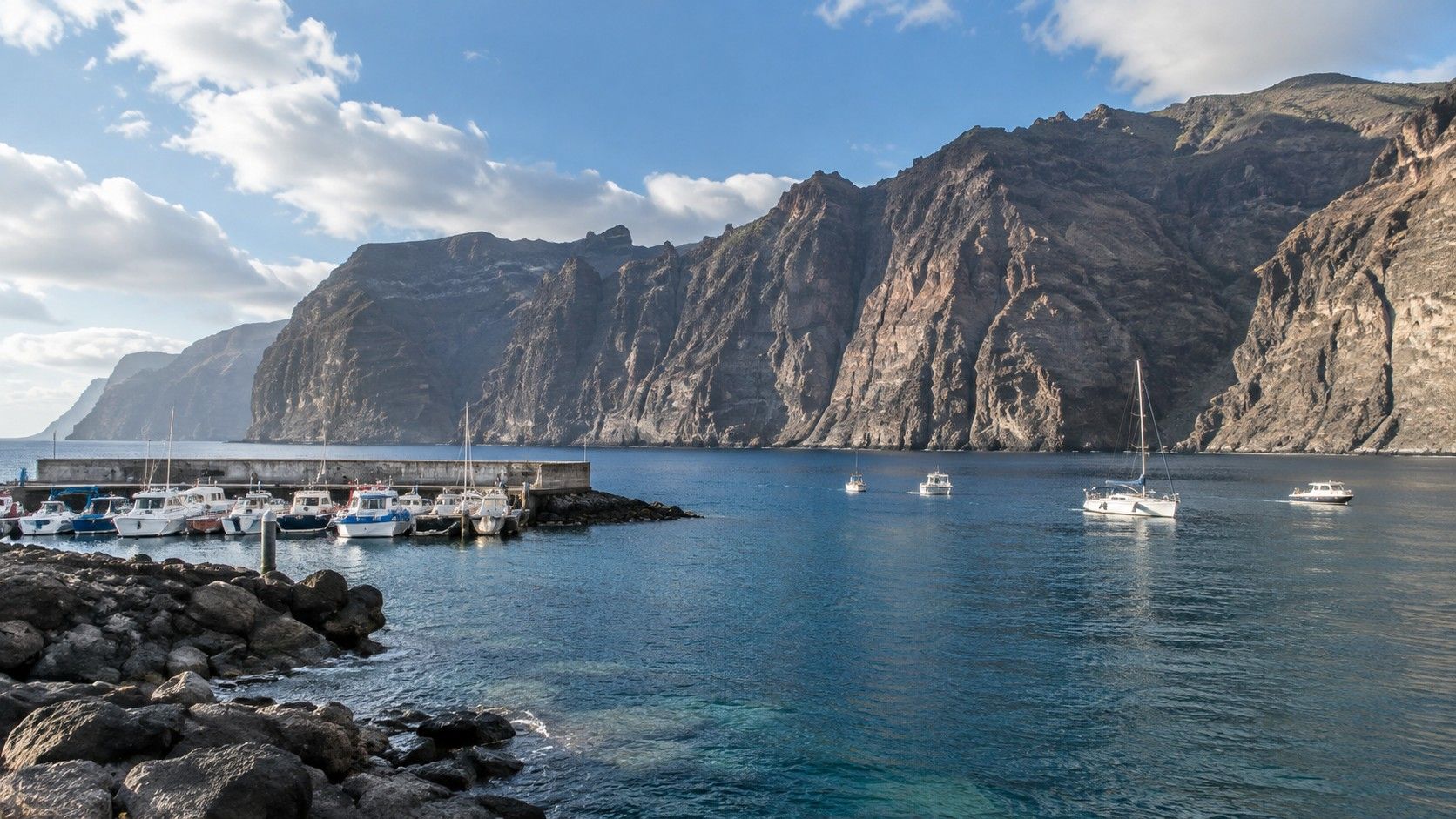
| West-coast drive | Los Gigantes or Masca as the main event | Trying to include both at full pace |
| South-coast rest day | Beach, harbour lunch and a short local drive | A cross-island detour because the map looks empty |
Give mountain roads their own day
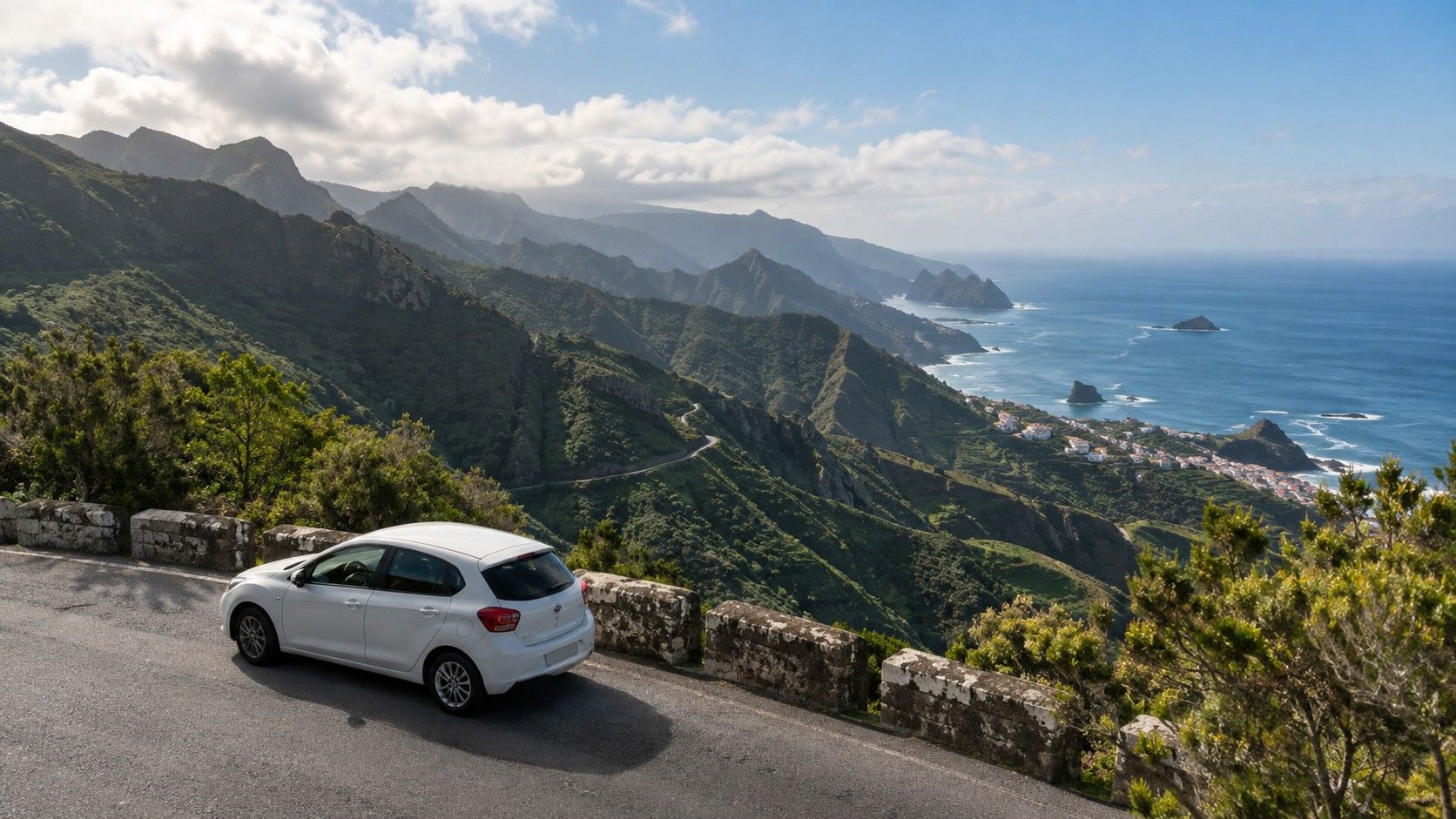
Mountain driving is not dead time between attractions. It is part of the activity, and it requires attention. Roads near Teide, Anaga and Teno can involve long curves, steep edges, narrow lanes and sudden changes in visibility. A confident driver may enjoy that concentration; a nervous driver or carsick passenger may need frequent pauses. Both are normal situations, not a reason to force the route faster.
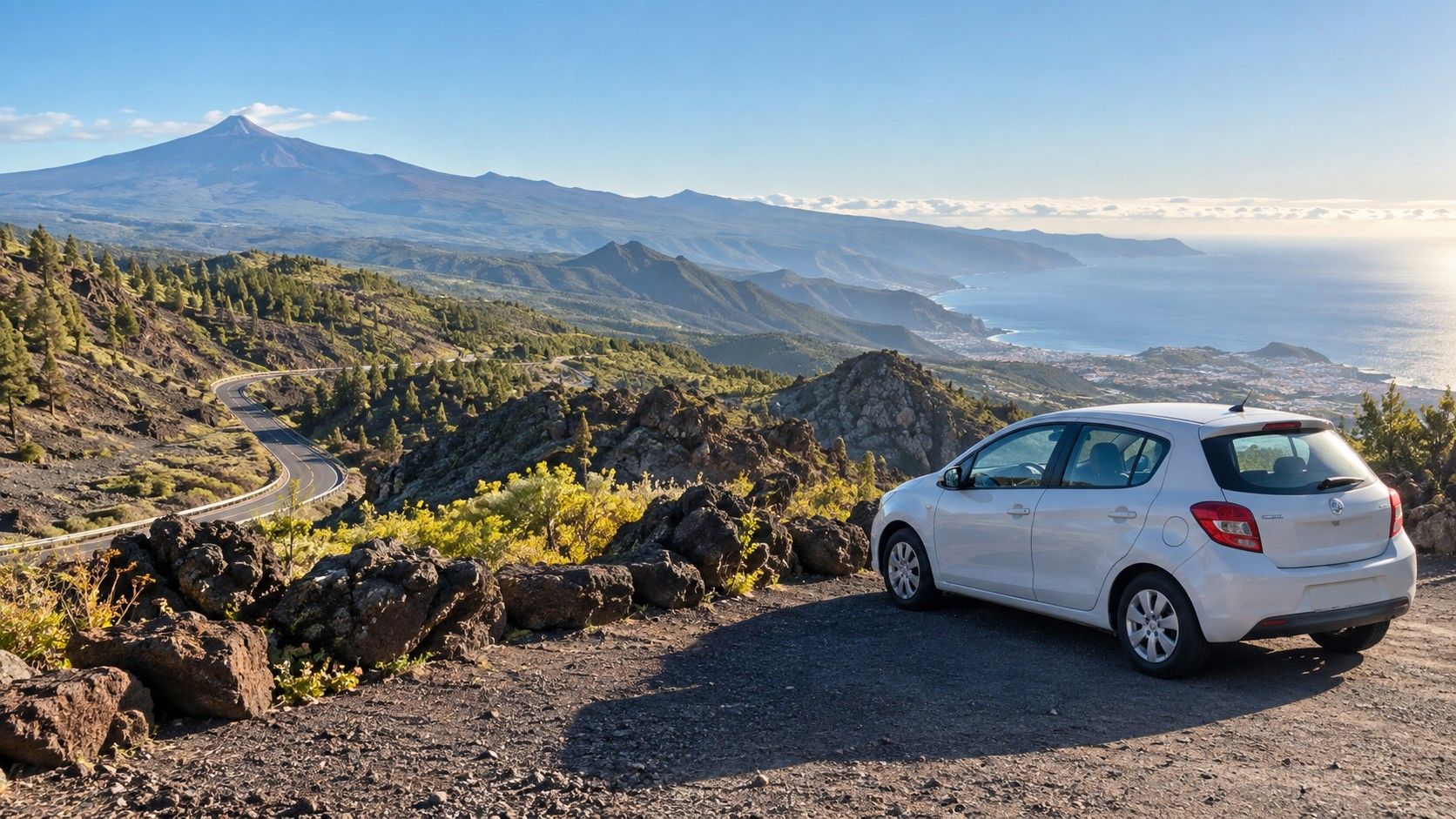
Put Teide National Park on a day when nobody needs to be somewhere else. Start with fuel, water, a light layer and a realistic return plan. Even when the coast is warm, the temperature and wind at higher altitude can feel different. Cloud may sit below you, above you or across a section of road. The landscape changes quickly, and that is precisely why a fixed lunch reservation on the far side of the island is a poor companion.
Anaga Rural Park needs similar respect for a different reason. The roads are greener, narrower in parts and more enclosed by ridges. It is tempting to stop every few minutes, then discover that sunset is approaching while you still have a difficult descent. Pick a walk or a few viewpoints, use official parking where available, and leave the final route simple. The forest is more enjoyable when the driver is not calculating whether a hotel dinner has already been missed.
Masca should also stand alone or be paired gently. The village may be tiny, yet the approach road, parking and walking around its slopes can fill a day. A plan that stacks Masca after Teide is usually trying to get two big landscapes for the price of one. The price is often a tired driver and passengers who have stopped looking out of the window.
Use your base to remove repeat driving
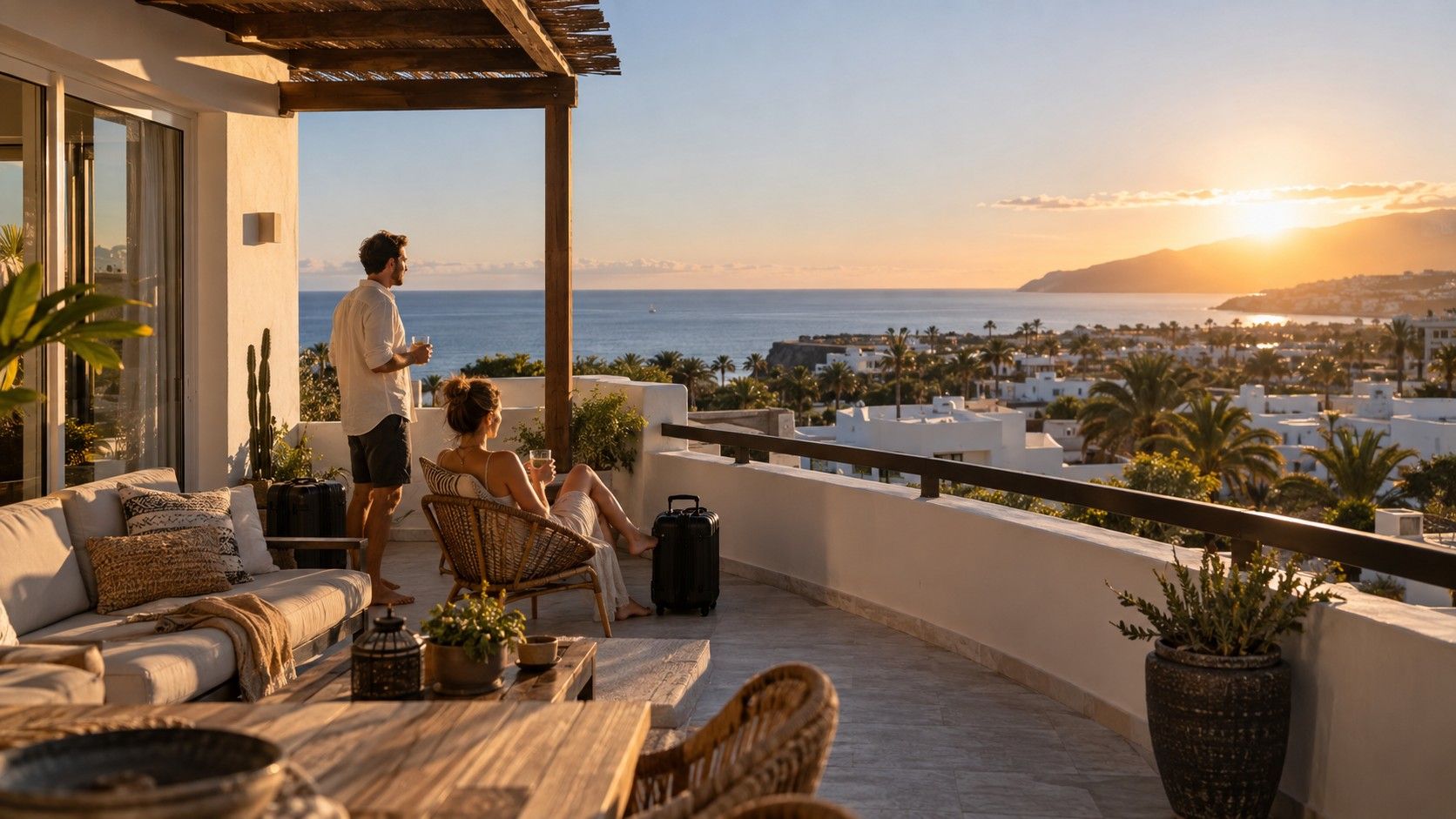
A good base does not need to be geographically central. It needs to suit the days you actually want. Staying in the south is practical for many arrivals, beaches and boat outings, while the north gives a different atmosphere and easier access to some towns and Anaga. The problem is not choosing either side. The problem is booking one place and then planning repeated cross-island returns because every day’s list contains both coasts.
If the itinerary has several north-coast or Anaga priorities, consider splitting the stay instead of commuting. Even two or three nights elsewhere can change the rhythm of a trip. You wake near the first stop, can walk after dinner, and do not have to treat every excursion as an out-and-back mission. If moving hotels feels tiresome, reduce the distant days instead. Packing once less is useful only if it does not create hours of extra driving.
When comparing areas, look at parking as well as the pool, view or breakfast. A hotel on a steep street with limited nearby spaces can turn a rental car into a daily negotiation. Accommodation outside the busiest centre may make loading and evening returns easier, but it can also mean a longer walk to restaurants. Read the location through the lens of your group: children, limited mobility, confidence driving after dark and how often you want to use the car.
Keep arrival, collection and return days light
Collection day is a classic place for an overconfident plan. Flights run late, queues happen, and the first time driving an unfamiliar rental car through airport traffic is not the moment to aim for a mountain viewpoint. Collect the car, check it carefully, learn the controls, and drive somewhere easy. A beach promenade, a supermarket and an early meal are enough for the first afternoon.
People asking what do I need to hire a car in Tenerife usually focus on documents, which is sensible, but the practical answer includes more than paperwork. Have the correct licence and booking information, understand the fuel and insurance arrangement, inspect existing marks, and know how the vehicle handles before you need to negotiate a steep ramp or a narrow street. Photograph the condition at collection, then put the phone away and concentrate on leaving the car park safely.
Do not schedule a major drive on departure day either. Returning a car takes longer when you need fuel, cannot immediately find the correct entrance, or discover sand in every footwell after a beach week. Keep the final night within a comfortable distance of the airport if the flight is early. It is less dramatic than one last mountain sunrise, and much better than beginning the journey home with a panic search for the rental return.
Build parking and meals into the route rather than around it
Parking is often the hidden clock on a Tenerife road trip. In busy resort areas, old towns and small mountain villages, arriving at the wrong time can turn a planned forty-minute visit into a long search for a legal space. An early start helps, but it is not a cure for every location. Have one alternative stop in mind and be willing to skip a crowded place when the parking situation is clearly poor.
Meals work best as flexible anchors. Carry water and a small snack for mountain days, especially when the next café may be farther away than expected. Then choose lunch once you know where you are rather than treating a table booking as a hard waypoint. A delayed road section, a viewpoint that deserves more time or a passenger who needs a break should be allowed to change the plan.
In towns, park once and walk. Moving the car between a café, a viewpoint and a beach may use more energy than the places warrant. In rural areas, never create your own parking space on a narrow bend because a search result said the view is popular. Other drivers, local access and emergency vehicles have to use the same road. A less famous viewpoint with a safe stop is the better choice.
Keep one weather-flexible day untouched until you need it
The most valuable open day is not a gap in the itinerary; it is insurance. Tenerife can give clear weather in the south and cloud in the north, wind on one coast and comfortable conditions on another. A flexible day lets you move the beach, boat or mountain plan when the forecast and the actual morning disagree. Without it, people often force a bad-weather activity simply because Tuesday is labelled on their spreadsheet.
Use the first few days to notice the island’s mood. If Teide is clear, take the opportunity. If the north has low cloud but the south is bright, use the coast and save Anaga. If the sea is rough, do not insist on a boat trip because it is the only slot left. This approach can feel less organised at breakfast, but it produces much better days by dinner.
A rest day is part of pacing too. Spend it close to the base, leave the car parked, and let the group recover from driving and sun. A short walk, a swim if conditions allow, and a meal within easy reach can make the next mountain day more enjoyable. Holidays do not improve in proportion to kilometres covered.
End each drive while the day still feels easy
Set a soft finish time, especially for routes involving high ground or narrow roads. Returning before darkness gives you room for a wrong turn, a final fuel stop or a slow stretch behind a coach. It also means you arrive with enough patience to park, shower and enjoy dinner rather than collapsing into the nearest available chair.
The best Tenerife road trips are selective. They use the car to reach a different landscape, then let people spend time in it. Choose fewer regions, make mountain driving a main event, keep the first and last days ordinary, and leave weather room in the plan. You will still see a great deal of the island; you will simply remember it from outside the vehicle.