Is Tenerife cheap to eat out? It can be, but the answer changes with the resort strip, the time of day and the habits you bring from home. A food budget works best when it gives each day a shape: one meal you care about, simple backup food nearby, and enough room for coffee, water and the small stops that quietly add up.
Set a daily food pattern before you choose restaurants
Start by deciding which meal should feel like an occasion. For many travellers, that is dinner: a table outside, local fish, shared plates or a meal after the beach. If dinner is the priority, make breakfast simple and let lunch be flexible. A hotel breakfast, fruit and bread in an apartment, or a sandwich picked up before a drive can make the evening bill feel like a choice rather than an accident.
The opposite pattern works just as well. Some people prefer a proper midday meal, then eat lightly after sunset. Tenerife’s pace makes this easy if you are not treating every meal as a separate attraction. On a long driving day, a substantial lunch can prevent the late-afternoon hunt for the first available restaurant. On a beach day, a casual lunch close to the water may be worth the convenience even if it is not the most economical option.
Write down a rough daily allowance for food and drinks, then divide it into three parts: essential meals, small stops and one flexible amount. The flexible amount is important. Without it, a shared dessert, a good coffee or an ice cream feels like breaking the plan. With it, you can enjoy the day without performing arithmetic at the table.
Location changes the bill more than the island changes the bill
Resort areas such as Costa Adeje, Playa de las Americas and the busiest parts of Los Cristianos offer convenience first. You can find food at the end of a promenade walk, close to a beach, and often at times when smaller inland places are quieter. That convenience may come with a higher bill, especially when the view, music or tourist footfall is doing part of the selling. It does not make the meal poor value if being able to walk home is what you need.
Move a few streets away from the waterfront, or eat in a town where people are buying lunch rather than finishing a beach day, and the rhythm can change. Local restaurants may have shorter menus, different service hours and less interest in keeping a late table occupied. The useful test is not whether a place looks local enough. Read the menu, notice the portions around you, and decide whether the food matches the moment you are paying for.
In Puerto de la Cruz and other northern towns, it is easier to encounter everyday cafés and restaurants among shops, offices and homes. In the south, those options exist too, but you may need to step off the most polished promenade. Build the small walk into the plan rather than assuming the first line of tables near the sea represents all Tenerife eating.
Use lunch and groceries as quiet budget tools
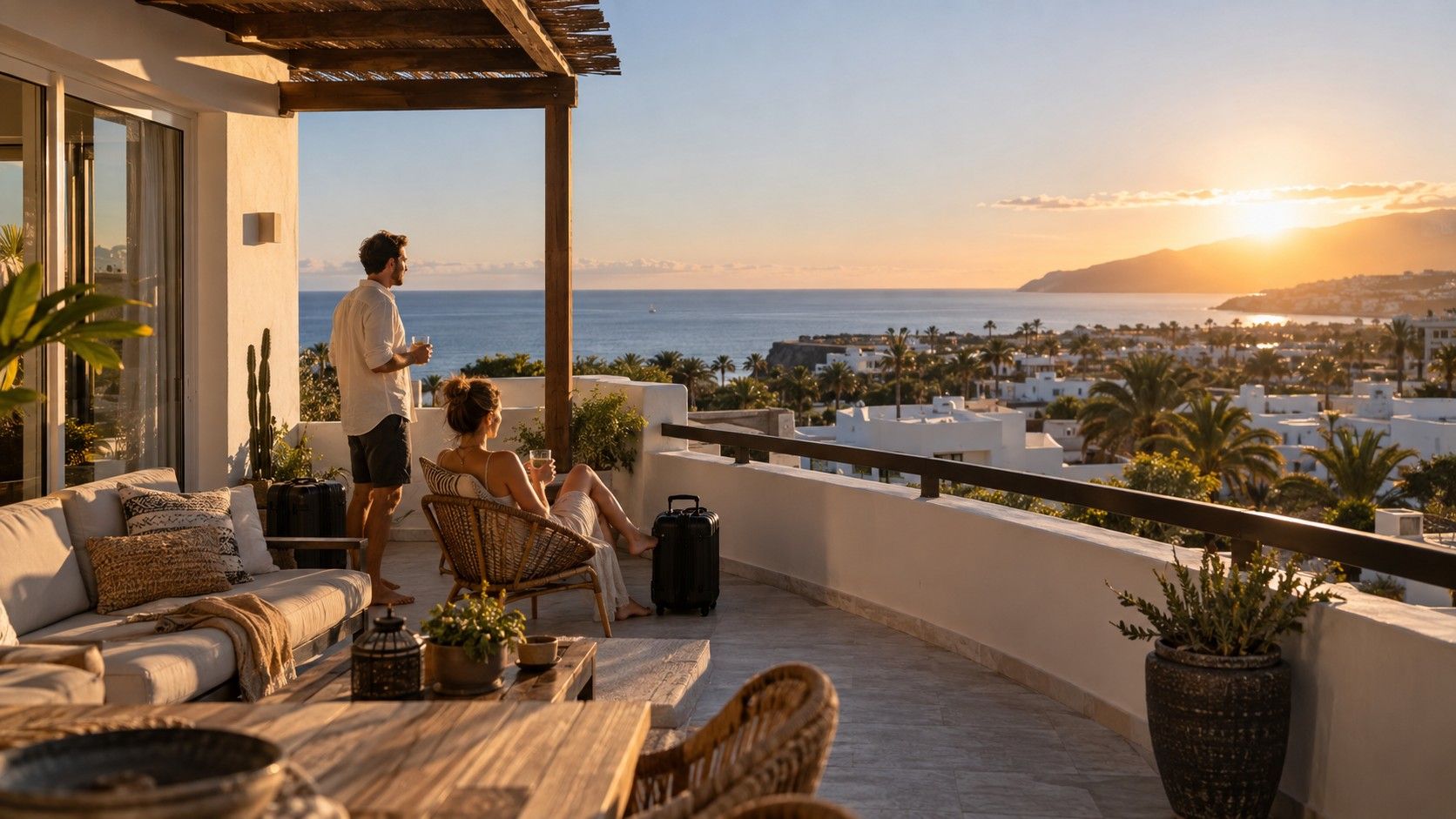
Supermarkets are not a sign that a trip has become dull. They are what let you choose when to spend on restaurants. A first grocery shop can cover water, fruit, breakfast, snacks for a drive and a few easy evening items. In a self-catering apartment, that may also mean yogurt, eggs, bread and something cold for the first night. Buy enough for two days, then adjust once you know the kitchen and neighbourhood.
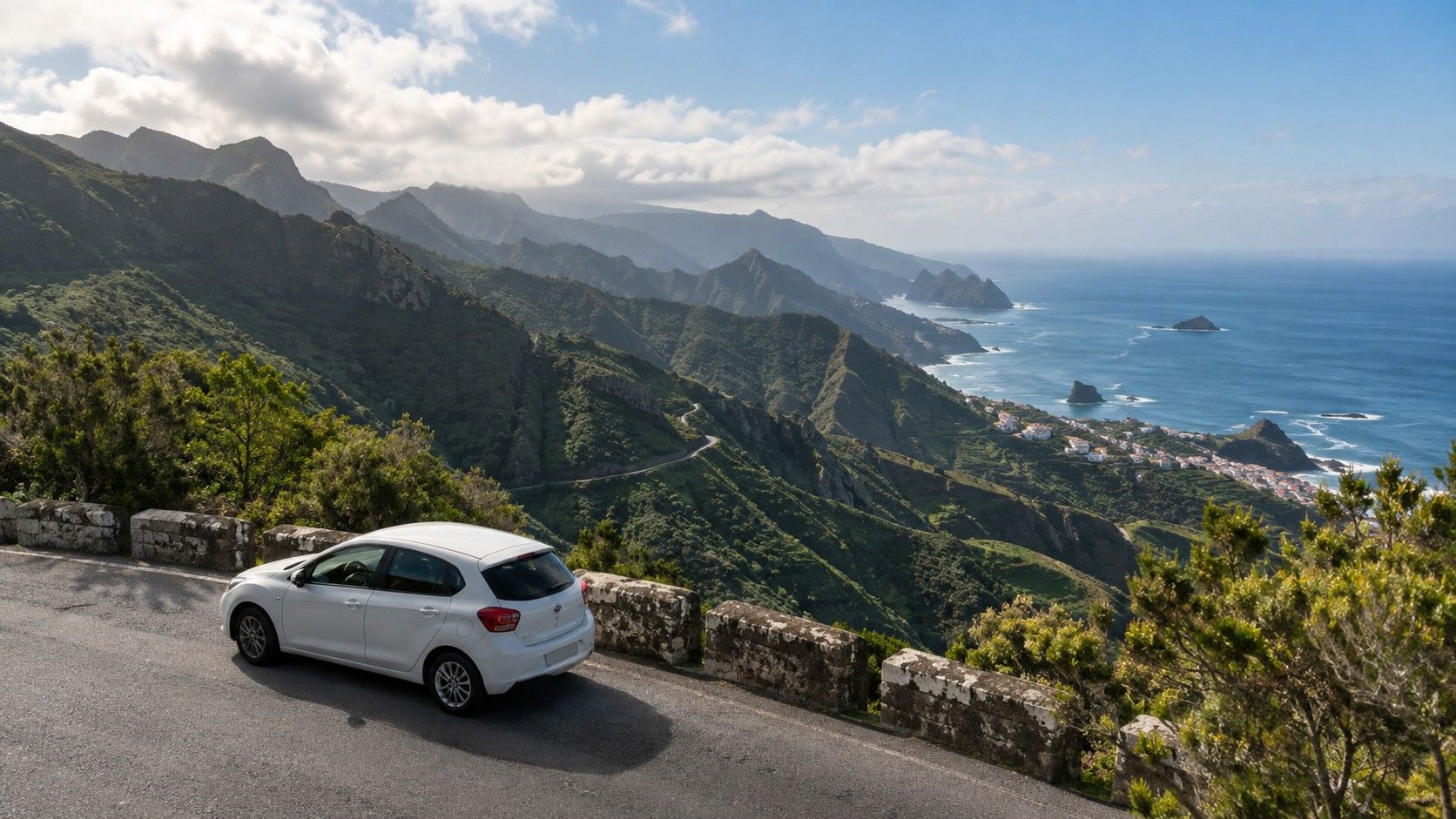
Lunch is often the easiest meal to make economical without feeling restricted. A bakery stop, a market-style counter, a simple café or a shared plate can keep you moving. If you are driving through mountain or rural areas, carry food rather than relying on a perfect restaurant appearing at the exact hungry moment. The alternative is usually buying whatever is open when everyone is tired, which is the expensive form of spontaneity.
Do not overbuy groceries for a short stay. Large packages, unfamiliar ingredients and ambitious cooking plans create waste and clutter in a holiday kitchen. Keep a few useful basics and leave room for meals out. The budget benefit comes from having choices, not from turning an island break into a supermarket challenge.
| Food moment | Low-effort budget approach | When it is worth spending more |
|---|---|---|
| Breakfast | Use apartment supplies or a simple local café. | Choose a long breakfast when it replaces a rushed lunch. |
| Drive day lunch | Pack water and portable food before leaving town. | Stop for a meal when the place is part of the day, not an emergency. |
| Beach afternoon | Bring snacks and refill water before the promenade. | Pay for a seafront table when shade and location are the point. |
| Dinner | Share dishes or choose a simple main plus drinks. | Spend on the meal you will remember, then skip the automatic extras. |
Budget for the small stops that never feel like a meal
Coffee, water, a cold drink, pastries, ice cream and a snack after swimming can shape the daily total more than one thoughtful dinner. None of them needs to disappear. The practical move is to notice the pattern. If everyone buys drinks separately at every stop, carry water for the car or bag and reserve cafés for the pauses that actually feel restorative.
Meal timing helps here. A coffee before a walk, a drink after it, and an early dinner can all be pleasant without becoming a chain of impulse purchases. When afternoons are hot, people often mistake thirst for hunger. Water and a small snack may be enough until the meal you had planned. That is a more relaxed correction than arriving ravenous and ordering everything on the first menu page.
Travel groups should talk about this early. One person may be happy sharing starters and another may want a full main. Neither is wrong, but silent assumptions make a food budget awkward. Decide whether shared dishes are part of the plan, whether tips are being pooled, and whether the expensive-looking beach bar is a one-off or an everyday habit.
Choose restaurants by the kind of evening, not by fear of missing out
A meal in Tenerife can be quick fuel after a hike, a long family dinner, a harbour-side pause, or a familiar option after a difficult travel day. Match the restaurant to the role. A place near the apartment may be the best choice after a late return, even if it is not the restaurant someone saved months ago. A more deliberate meal is better placed on an evening when nobody is watching the last bus or facing a long drive home.
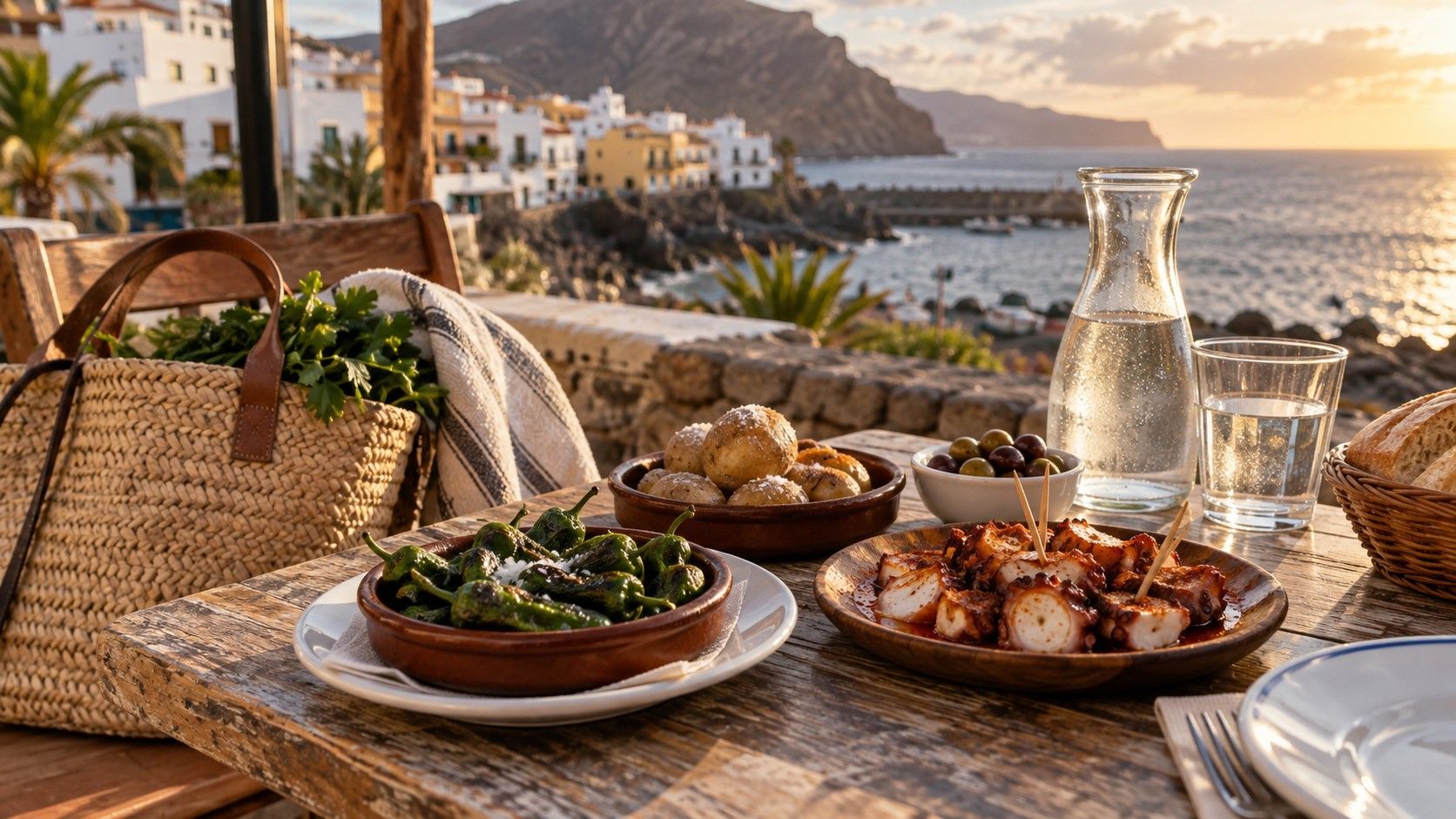
Menus with shared plates can work well when the table actually wants to share. They can also lead to too much food if everyone orders independently and adds several starters by habit. Ask about portion size, choose a sensible first round, and add more only if the table still needs it. This is especially useful with fish and tapas-style meals, where the temptation is to order for the idea of a feast rather than the people present.
Service hours can be different from what visitors expect. Some kitchens close between the main meal periods, while resort spots may keep a longer schedule. Check before walking a long way for dinner. A modest plan B nearby prevents the budget from being decided by a taxi ride and the only open table at the end of the night.
Keep one treat in the plan and stop treating every choice as a test
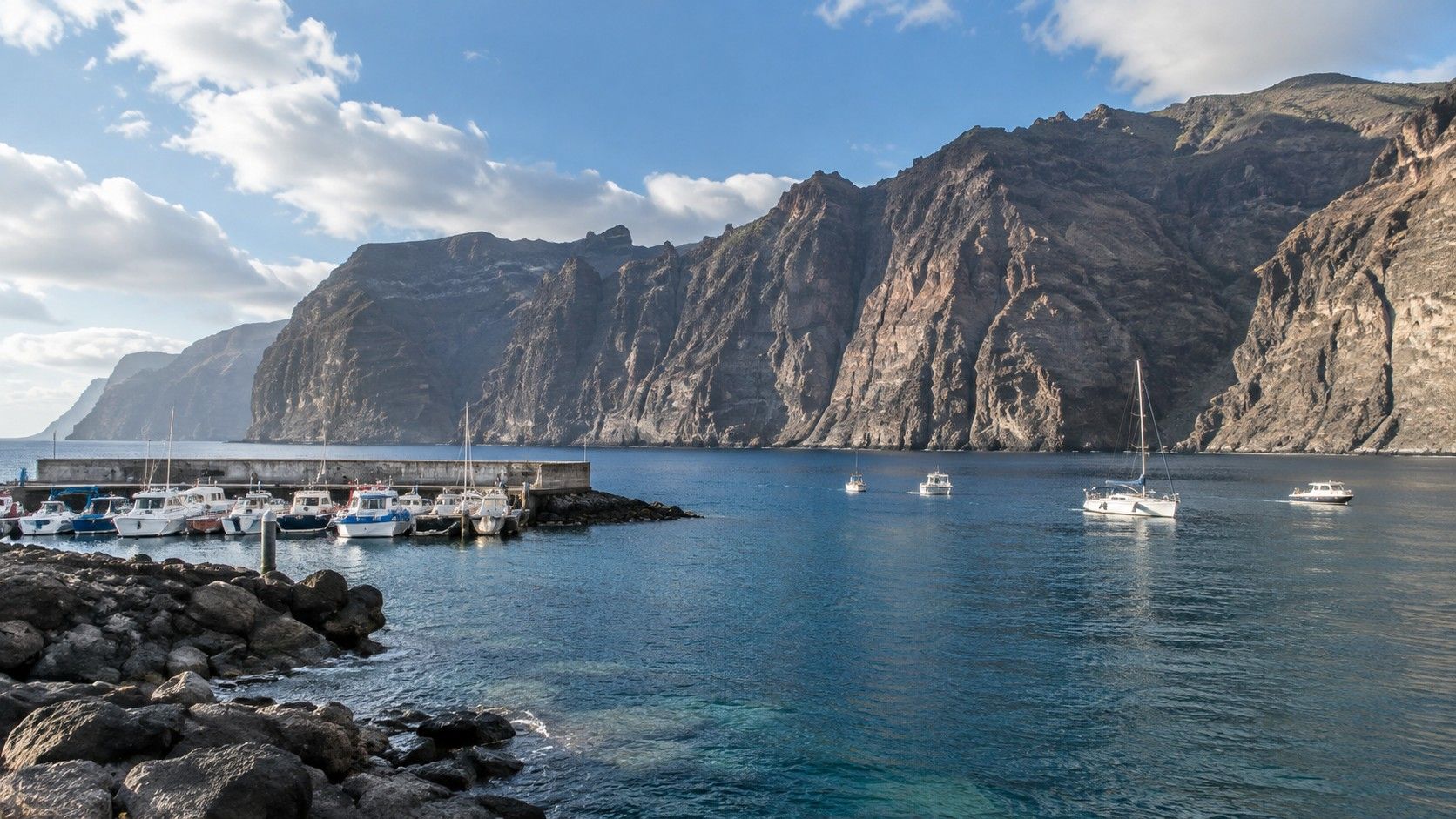
A strict food budget tends to fail when it has no room for a meal or stop that feels genuinely enjoyable. Pick one or two things that matter: a fish lunch by the harbour, a special dinner, a good breakfast in town, or a café stop after an Anaga walk. Protect those choices by being ordinary at other times. A supermarket breakfast can support a restaurant evening without making either feel like a compromise.
It also helps to separate food spending from activity spending in your head. If a boat trip, long drive or beach hire has already made the day expensive, dinner can be simple without making the day less successful. If the day was a free coastal walk, a longer meal may be the memorable part. This way of thinking follows the actual day rather than forcing every day to have the same bill.
Do not chase a perfect local experience at every table. Tenerife has restaurants for visitors, restaurants for regulars, good meals in busy locations and average meals in quiet ones. A relaxed budget lets you choose with curiosity while retaining the option to walk away from a menu that does not suit you.
Review the pattern after two days, then make one small adjustment
After a couple of days, look at where the money actually went. Perhaps dinner is fine but taxi rides to remote restaurants are not. Perhaps coffee stops are worth keeping while hotel snacks are being ignored. Maybe the apartment kitchen has made breakfast easy, freeing space for a longer lunch. One adjustment is enough; do not rebuild the holiday around a spreadsheet.
The question is not whether Tenerife is cheap in the abstract. It is whether your food routine gives you meals you enjoy without adding anxiety at the end of the week. Use supermarkets for resilience, choose location-aware restaurant meals, pack for drives, and leave room for the small pleasures that make a day feel cared for. That combination usually costs less than chasing bargains and feels far better than counting every mouthful.